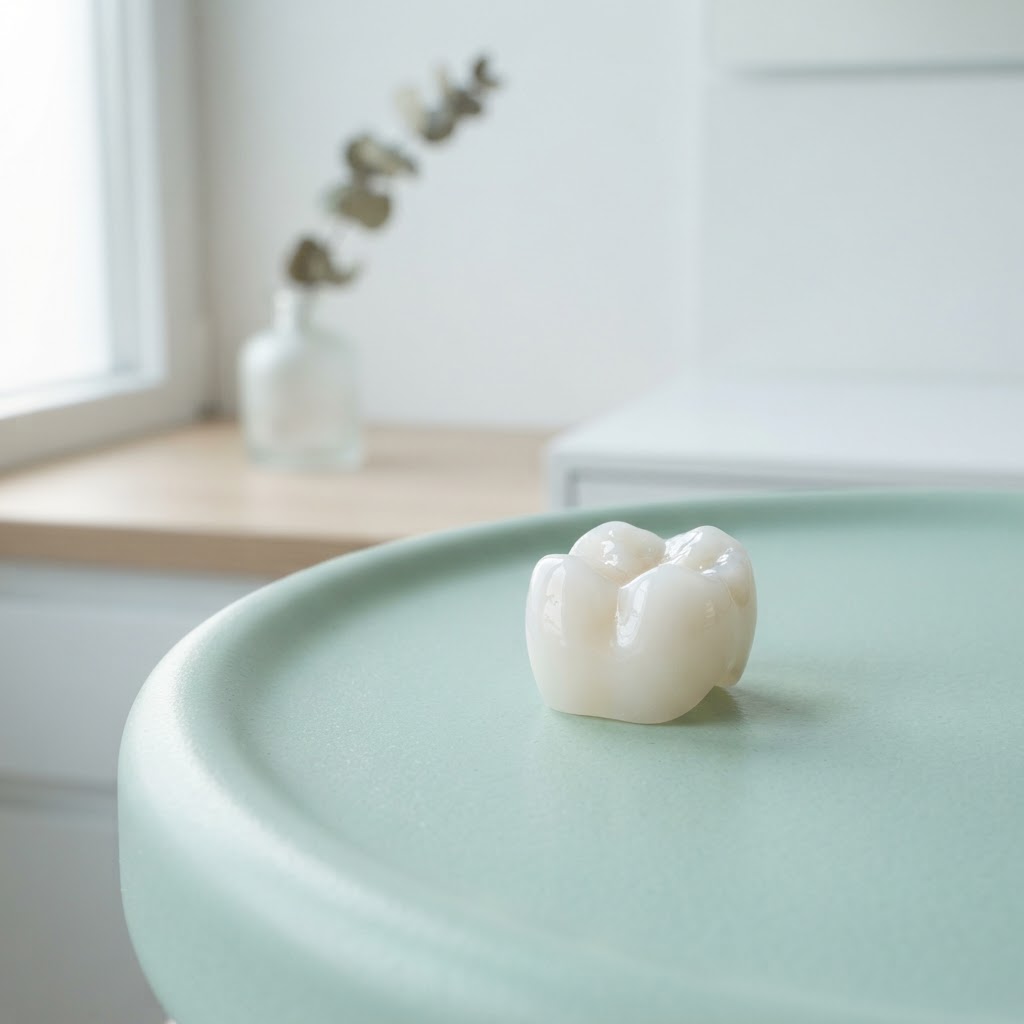
A dental crown is one of the most common and versatile restorations in dentistry, yet many patients aren't sure when one is actually needed. A crown — sometimes called a "cap" — is a custom-made covering that fits over your entire natural tooth, restoring its shape, strength, size, and appearance.
At Good Day Family Dental, we use full zirconia crowns that combine exceptional strength with a natural-looking appearance. Here's a guide to help you understand when a crown becomes necessary and how it protects your long-term oral health.
Protecting a Weakened Tooth
Teeth can become fragile for a number of reasons, and once a tooth loses significant structural integrity, a filling alone may not be enough to keep it intact. A crown is recommended when:
- Large fillings — When more than half of the tooth has been restored with filling material, the remaining natural structure is thin and prone to fracture. A crown braces the tooth together and distributes chewing forces safely.
- Cracked or fractured teeth — Hairline cracks can worsen over time, eventually reaching the nerve or splitting the tooth entirely. A crown holds the cracked tooth together and prevents further damage.
- Severe wear — Teeth that have been worn down from grinding (bruxism), acid erosion, or years of use may lose their natural height and function. A crown rebuilds the tooth to its proper dimensions.
After a Root Canal
When a tooth undergoes root canal therapy, the infected pulp is removed and the interior is sealed. While this eliminates pain and infection, it also leaves the tooth hollowed out and more brittle than a living tooth. Teeth treated with root canals — especially the back molars that bear the brunt of chewing — almost always require a crown to prevent them from splitting under pressure.
Repairing Extensive Decay
When a cavity is caught early, a small composite filling is usually sufficient. But when decay has destroyed a large portion of the tooth, there may not be enough healthy enamel left to support a filling. In these cases, a crown replaces the damaged outer surface entirely, sealing the tooth against future decay and restoring full function.
Improving Appearance
Crowns aren't only for structural damage. They can also be used to address cosmetic concerns when other treatments aren't suitable:
- A severely discolored tooth that doesn't respond to whitening
- A misshapen or undersized tooth
- A tooth with significant old dental work that has darkened over time
Because full zirconia is both incredibly durable and naturally tooth-colored, it provides long-lasting strength while closely matching the appearance of your surrounding teeth.
Supporting a Dental Bridge
If you're missing one or more teeth, a dental bridge can span the gap — but it needs stable anchors on either side. The teeth adjacent to the gap are fitted with crowns, which serve as the support pillars holding the replacement tooth (pontic) in place. Without solid crowns, the bridge has nothing to anchor to.
What to Expect During the Procedure
Getting a crown typically takes two visits:
- First visit — The tooth is examined and prepared. Any decay is removed, and the tooth is reshaped to make room for the crown. An impression or digital scan is taken so the permanent crown can be custom-fabricated. A temporary crown is placed to protect the tooth in the meantime.
- Second visit — Once your permanent crown is ready (usually within two weeks), the temporary is removed and the new crown is checked for fit, bite, and color. When everything looks right, it's permanently bonded in place.
Aftercare Tips
Once your permanent crown is in place, proper care will keep it — and the tooth beneath it — healthy for many years:
- Brush twice daily with a soft-bristled toothbrush and fluoride toothpaste, paying attention to the gumline around the crown.
- Avoid chewing hard foods like ice, hard candies, and nuts on the crowned tooth, especially in the first few days.
- Skip sticky candies that can pull at the crown's edges.
- If you grind your teeth at night, wear a custom nightguard to protect both the crown and your natural teeth from excessive force.
- Keep your regular cleaning appointments so we can monitor the crown's condition and the health of the surrounding gum tissue.
- Mild sensitivity to temperature is normal for the first few days; if it persists beyond a week or turns to sharp pain, contact our office.
How Long Do Crowns Last?
With proper care, a high-quality crown can last 10 to 15 years — and often longer. The tooth underneath the crown remains susceptible to decay at the gumline, so diligent home care and professional cleanings are essential to the crown's longevity.
Is a Crown Right for You?
Only a thorough examination can determine whether a crown is the best solution for your specific situation. If you're experiencing tooth pain, have a visible crack, or have been told you need a large filling, schedule an appointment with our team. We'll evaluate the tooth, discuss all your options, and help you make the most informed decision for your smile.